對抗邪靈 以冷靜安頓身心

(我在西藏布達拉宫)
刁卿蕙專欄》對抗邪靈 以冷靜安頓身心 - 海納百川 - 言論
(刊於7/7/2026 中國時報)
中國大陸開始執行《民族團結促進法》以期「鑄牢中華民族共同體意識」,歐美火速抨擊為「箝制自由」;反中人士趁機添薪,努力把疆獨、藏獨、台獨等議題混入一鍋煮。
緊接著,美國德州教育委員會主張一項新規定,強制學童讀聖經,學習美國歷史基礎的猶太-基督教傳統,國內輿論瞬間炸鍋。
再來,梵蒂岡教廷宣布「絕罰」聖庇護十世司鐸兄弟會,因該會私自祝聖數名新主教,公然挑戰了教宗任命主教的權力,天主教再次面臨裂教危機。
最驚悚的莫過於俄羅斯最高法院正式裁定封禁「撒旦主義」,且獲東正教領袖背書,任何牽涉此極端主義者,最高刑處入獄8年。
在這一連串的近期事件中,除了「中華民族共同體意識」可歸類屬世議題,美俄及梵蒂岡的宗教主張全都屬天,抽象得無法釐清。
且不談德州新規的違憲爭議,幾位教育委員選定了聖經章節,就可強迫500萬名學童必須閱讀?光是由誰來詮釋才能符合「猶太-基督教傳統」,就足以讓多達3000支派的基督徒吵翻天了。
日前有一藏人選擇在聯合國總部附近自焚,這起悲劇的星星之火,難以燎原,除了全球人們正飽受天氣極端酷熱凌遲的當兒,自顧不暇,正統基督徒容或有同情西藏處境者,實無法認同自焚這種極端的異教徒行為。自殺是侵犯上帝生命主權的罪行,歷史上的主流教會從不認可或鼓勵自殺。
信仰,應是個人與其所選擇神祗之間的單純奧秘契約,而複雜的人慾,以神之名製造了各式派別與層層枷鎖,加重人性的偏執與仇恨,隔絕了最初的感動與愛,當任何一種宗教走到這份際,還可能有神同行嗎?
以弗所書第6章,保羅曾指出:「我們不是對抗有血有肉的人,而是與天界的邪靈,就是這黑暗世代的執政者、掌權者,和宇宙間邪惡的勢力作戰。」
在這「邪惡的世代」,天界的邪靈既無法捉摸,在世間找個具象的魔鬼,令萬惡皆歸焉,就容易許多了。於是,中國就成了最便宜的靶子,它必須承受所有的惡,尤其得負起西方主導的金融失序之罪;理由太正當了,誰採行共產主義,誰就是無法無天,就是反自由民主,就是與普世價值為敵!一旦被貼上這標籤,就永難在西方與認同西人者的眼中翻身。
即使現在的中國共產主義已然修正與進化,今非昔比,成績斐然,而它所背負的原罪,猶仍不下於犯了天條的亞當夏娃,在舉自由民主之旗的人士眼中,中國龍永遠等同於那條邪乎的伊甸之蛇。
「我們唯一需要恐懼的是恐懼本身」此名言出自1933年富蘭克林•羅斯福的首次就職演說。此後的歷任美國總統便經常強調猶太教-基督教價值觀是反抗共產主義的必要思想,它是美國優越主義的基礎,是黏合美利堅民族的萬能膠,是聯結其它基督教國度,成就霸權的動力。
以理哲科學來辯證信仰,絕對無效;以地上政權來區分道德高下,極度愚昧。
亂世中,清明的人,能做的只有在這借助物質宇宙才得以存在的過程中,辨識假智,剝除假象;之後,智性才有可能還原神的樣貌。不論生活在何地,受轄於哪種政權,多數票選制也好,菁英制也罷,一個擁有真正自由靈魂者,在現世都將有能力以冷靜平和的方式安頓自己的身心靈,找到切合自身氣質的信仰,在不妨礙他人的前提下,尋得平安,保持喜樂,這才應是看似無稽人生的最大意義。
(作者為作家,藝術評論者)
Mainland China began implementing the “Law on Promoting Ethnic Unity” with the aim of “forging a strong sense of the Chinese national community,” prompting swift criticism from Europe and the United States, which labeled it a “restriction on freedom”; anti-China activists seized the opportunity to fan the flames, striving to lump issues such as Xinjiang independence, Tibetan independence, and Taiwan independence all together.
Shortly thereafter, the Texas State Board of Education proposed a new regulation requiring students to read the Bible and study the Judeo-Christian traditions that form the foundation of American history, instantly sparking a firestorm of public opinion across the country.
Next, the Vatican announced an “excommunication” of the Priestly Fraternity of St. Pius X for unilaterally ordaining several new bishops, openly challenging the Pope’s authority to appoint bishops, and the Catholic Church once again faced a schism.
Most alarming of all, Russia’s Supreme Court formally ruled to ban “Satanism”—a decision endorsed by Orthodox leaders—with anyone involved in this extremist movement facing a maximum sentence of eight years in prison.
Among this series of recent events, while the “sense of a Chinese national community” can be classified as a secular issue, the religious claims made by the U.S., Russia, and the Vatican all fall under the realm of the divine—so abstract as to be impossible to clarify.
Setting aside the constitutional controversy surrounding Texas’s new regulations, can a few school board members simply select Bible passages and force 5 million schoolchildren to read them? The question of whose interpretation aligns with the “Judeo-Christian tradition” alone is enough to spark a massive uproar among Christians across as many as 3,000 denominations.
Recently, a Tibetan chose to set himself on fire near United Nations headquarters. The spark of this tragedy is unlikely to ignite a wildfire, especially since people around the world are currently suffering from extreme heat and have their hands full just trying to cope. While orthodox Christians may sympathize with the plight of Tibet, they simply cannot condone such an extreme, heretical act as self-immolation. Suicide is a sin that violates God’s sovereignty over life; throughout history, mainstream churches have never condoned or encouraged suicide.
Faith should be a simple, mysterious covenant between an individual and the deity of their choice. Yet complex human desires, invoking the name of God, have created various sects and layers of shackles, intensifying human prejudice and hatred, and severing the original sense of inspiration and love. When any religion reaches this point, can God truly still walk alongside it?
In Ephesians 6, Paul pointed out: “For we do not wrestle against flesh and blood, but against the spiritual forces of evil in the heavenly realms—the rulers and authorities of this dark age, and the spiritual forces of evil in the cosmic realm.”
In this “age of evil,” since the spiritual forces of evil in the heavenly realms are intangible, it is much easier to find a concrete devil in the world upon whom to pin all evil. Consequently, China has become the easiest target, forced to bear the brunt of all evil—and especially to shoulder the blame for the financial chaos led by the West. The rationale is all too legitimate: whoever adopts communism is lawless, anti-freedom and anti-democracy, and an enemy of universal values! Once labeled as such, it is impossible to ever redeem itself in the eyes of the West and those who identify with Western values.
Even though today’s Chinese communism has been reformed and evolved—it is no longer what it once was and has achieved remarkable success—the original sin it bears remains no less severe than that of Adam and Eve, who violated the divine commandments. In the eyes of those who fly the banner of freedom and democracy, the Chinese dragon will forever be equated with that sinister serpent in the Garden of Eden.
“The only thing we have to fear is fear itself”—this famous quote comes from Franklin D. Roosevelt’s first inaugural address in 1933. Since then, successive U.S. presidents have frequently emphasized that Judeo-Christian values are the essential ideology for resisting communism; they form the foundation of American exceptionalism, serve as the “superglue” binding the American nation together, and act as the driving force for forging alliances with other Christian nations to achieve hegemony.
Attempting to prove faith through rational philosophy and science is utterly futile; using earthly political power to distinguish between moral superiority and inferiority is profoundly foolish.
In turbulent times, the only thing a clear-minded person can do is, within this process of existence made possible by the material universe, discern false wisdom and strip away illusions; only then can the intellect possibly restore the image of God. Regardless of where one lives or under what form of government—whether a majority-vote system or an elite-ruled system—a person with a truly free soul will, in this world, be able to calm and harmonize their body, mind, and spirit in a composed and peaceful manner; find a faith that suits their own disposition; and, without hindering others, find peace and maintain joy. This, and this alone, should be the greatest meaning of a life that may seem absurd.
----
(留言記錄)
1. (2024/10/6 留言記錄)
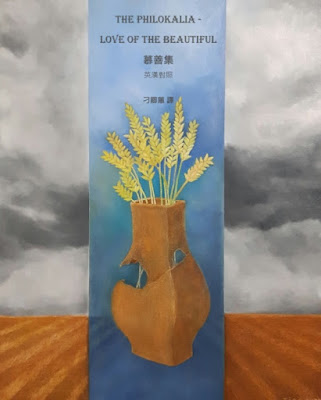
“聖經包含四樣東西:誡命、教義、威脅和應許。”一位七世紀的神學家這麽說,他同時也指出“"耶路撒冷是非物質存在的屬天知識;在它裡面,和平的願景可以被冥想。"--《慕善集》
也就是說,把屬天神國硬要套在某地上,並奉為聖地,這行為本身就是違悖神的旨意,怎可要耶和華或阿拉為此背書,揹黑鍋呢?
同源同根的三大一神教,兄弟鬩牆,宿仇難解,最根本的原因不是出自其教義。懲惡揚善的誡命與教義是相通的,本身並不會產生問題,而是扭曲的人性,以神之名,放大投射神的威脅與應許,為的是鞏固自身的“地盤“與權力欲,以致污名化了神。
武力消長,更進一步強化了團結抗外的“基本教義“,弱勢的一方因面臨族裔滅絕,恐懼才益甚,當人的思想庫裝滿了抵抗與報復的惡念,就不可能有正信。
這帳怎能算在耶和華與阿拉頭上?
要矯正基本教義的偏邪,化解猶太教,基督教,伊斯蘭教的衝突,只有從改善民生經濟這點開始著手,強者得分杯羹,修正西方資本主義的贏者全拿,不虐待鄰舍。
世人不論族群與信仰,得保持腦子清明,不受強權的話語權術所洗腦,本諸良心良知,判斷是非,共同努力化解人類社會的衝突,而非藉操弄恐懼來引戰。
不管是否以神之名,恐懼的確是很有效的仇恨催化劑。
2. 有人問“俄羅斯最高法院正式裁定封禁「撒旦主義」,且獲東正教領袖背書。何驚悚之有?”請AI代答:令人驚悚的原因
法律模糊、適用範圍廣泛:裁定不需個別犯罪行為存在,即可作為刑事懲罰依據,類似「口袋罪」現象
政教結合施壓社會:將理念、符號或文化表現直接視為危險,造成對宗教、文化或思想自由的威脅
示警社會控制趨勢:與此前對LGBTQ+群體、出版業或其他少數群體的類似禁令相似,顯示出對多元觀點與象徵性文化的全面性壓制
刑事化普通行為:佩戴符號、社群貼文或藝術表現皆可能觸法,普通公民可能因不理解法律而受重刑影響
這些因素結合,使這項裁定不僅僅是宗教管制,而是展現了法律與政治整合下對社會思想與表達自由的高度壓迫,因此令人感到驚悚和憂心。
是否「驚悚」並非源於禁止撒旦主義這件事本身,而是取決於法律如何定義「撒旦主義」、如何適用「極端主義」法律,以及實際執法是否限於涉及犯罪的團體,或擴及更廣泛的宗教、文化或表達活動。不同觀點對此會有截然不同的評價。
3. 去過西藏的人,可以了解現在藏胞的生活水平。
住過美國的人,不難理解流亡藏人及其子孫生活於異邦之難。
那些來自西方的藏人之音,果真反應了在地中國藏胞的心聲?
想像中的故里,空氣依舊稀薄得無法呼吸?
Anyone who has been to Tibet can understand the current living standards of the Tibetan people.
Anyone who has ever lived in the United States can easily understand the hardships faced by exiled Tibetans and their descendants in a foreign land.
Do the voices of Tibetans in the West truly reflect the sentiments of Tibetans living in China?
In that imagined homeland, is the air still so thin that it's hard to breathe?